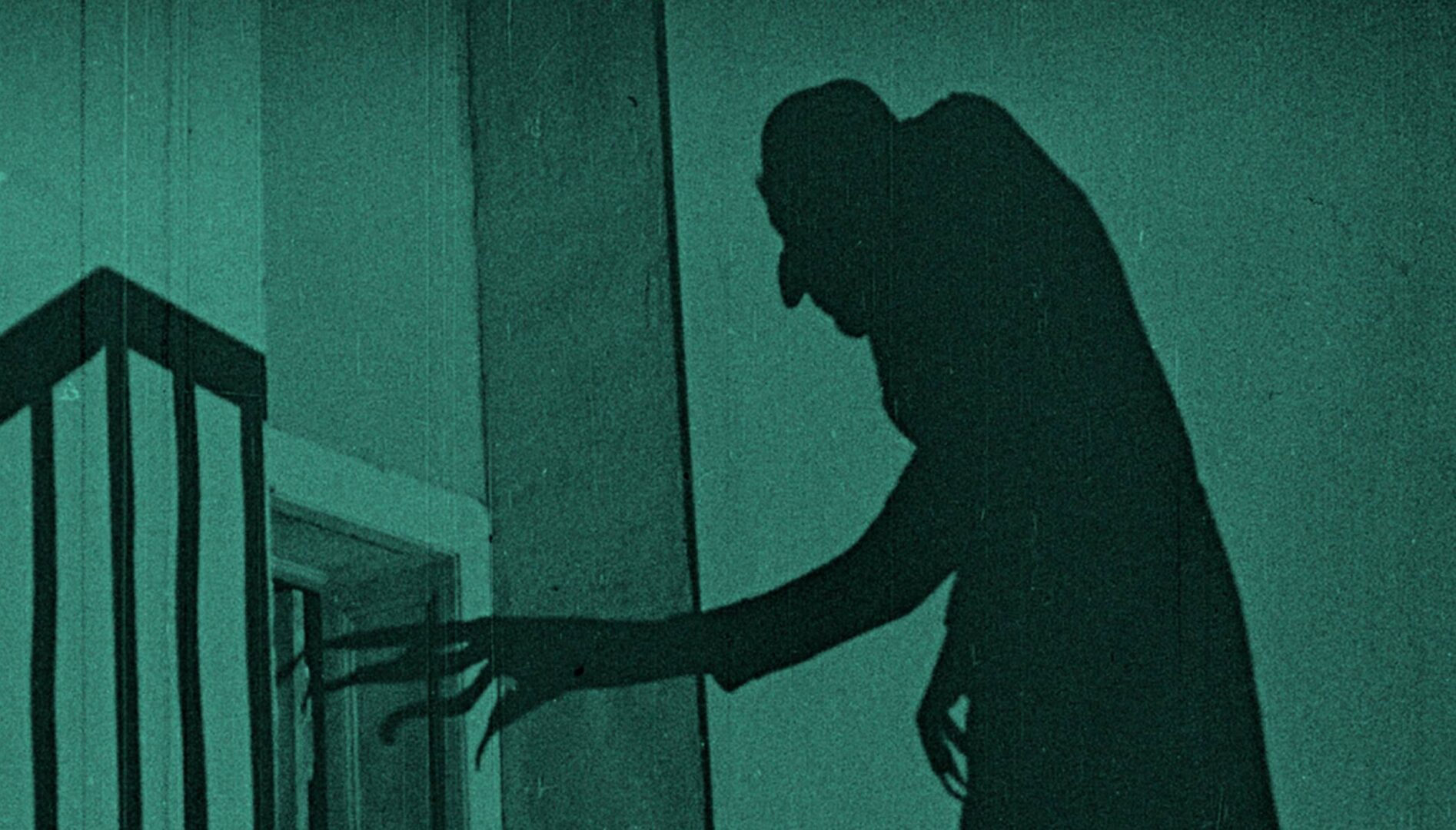
German Expressionism in Art and Film immerses visitors in the dramatic world of German art and film that developed during the turbulent years between the end of World War I and the Nazi Party’s political and cultural domination of Germany in the 1930s. Featuring approximately 70 prints and paintings alongside 50 film clips and stills, the exhibition examines the bold and emotional style of German Expressionism that has come to symbolize a generation’s trauma and dark mood in the years following the First World War.
The exhibition is the first time that German Expressionist art and film are shown together, showcasing the stylistic and image-based similarities between the two mediums. Organized into thematic sections that explore the radical energy, anxiety, and politics of German culture between 1918 and 1939, artworks include satirical prints by Otto Dix and Käthe Kollwitz, as well as paintings by Ernst Ludwig Kirchner, Emile Nolde, and Max Pechstein. These works are presented in conjunction with iconic films such as F. W. Murnau’s Nosferatu (1922) and Fritz Lang’s Metropolis (1927).
Organized by Institut für Kulturaustausch and coordinated for Portland Art Museum by Lloyd DeWitt, Ph.D, The Richard and Janet Geary Curator of European & American Art Pre-1930.